BioGutPro

$299.00

Description

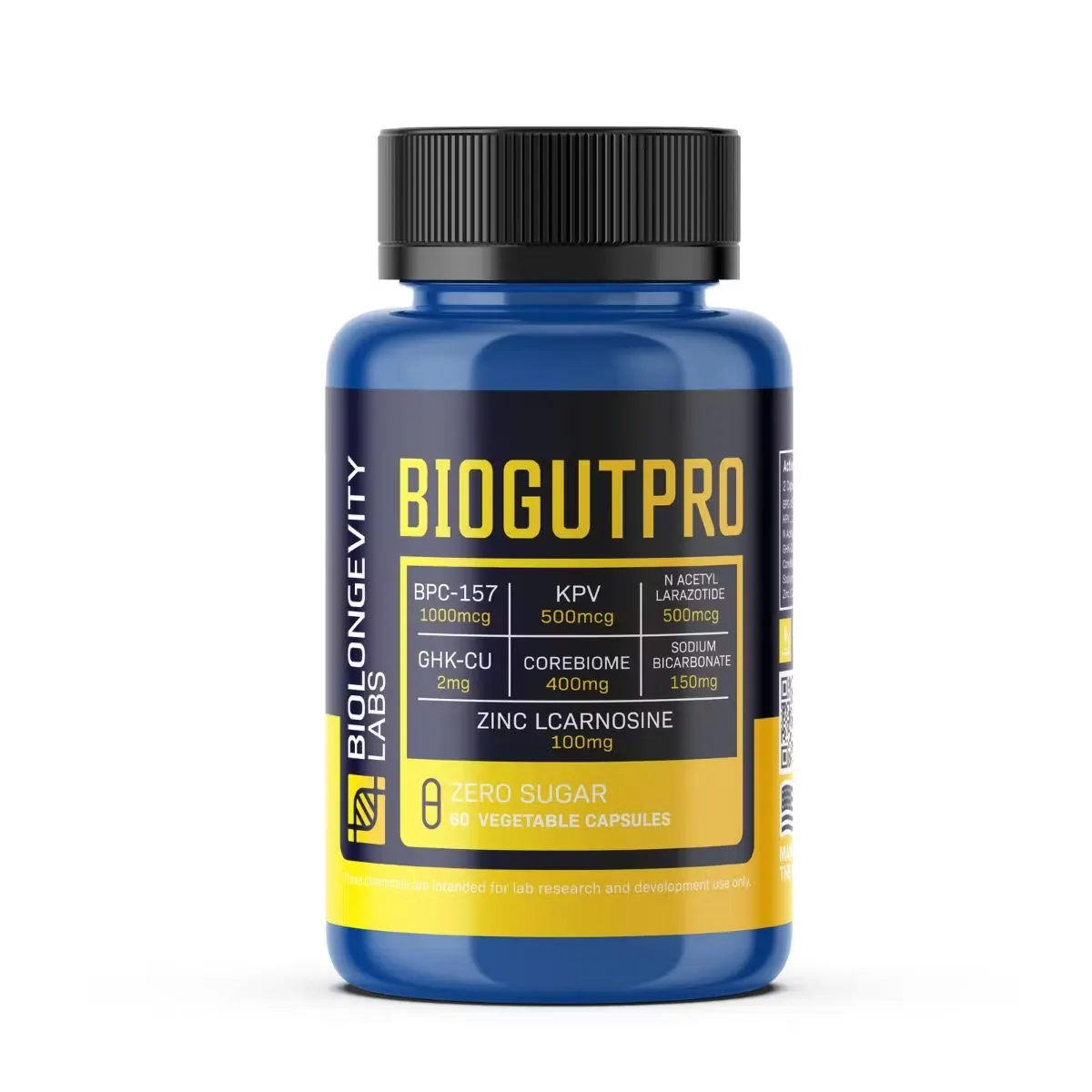
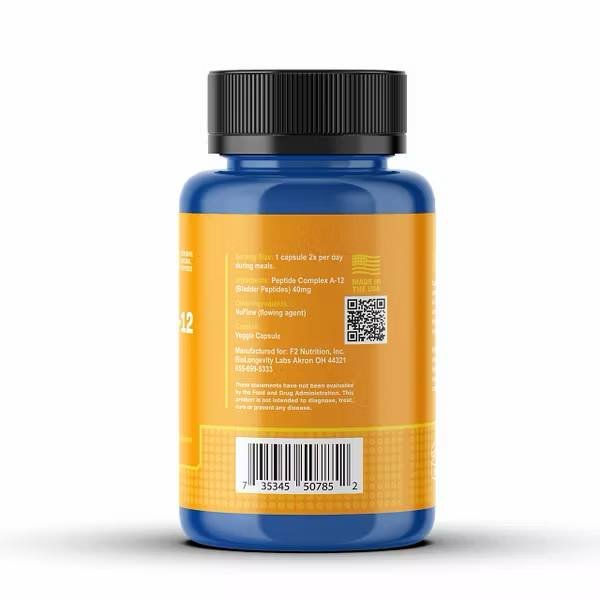
BioGutPro

BioGutPro is an innovative formulation that combines seven potent bioactive compounds to assist researchers who wish to study gut barrier function, regenerative processes, and localized inflammation:

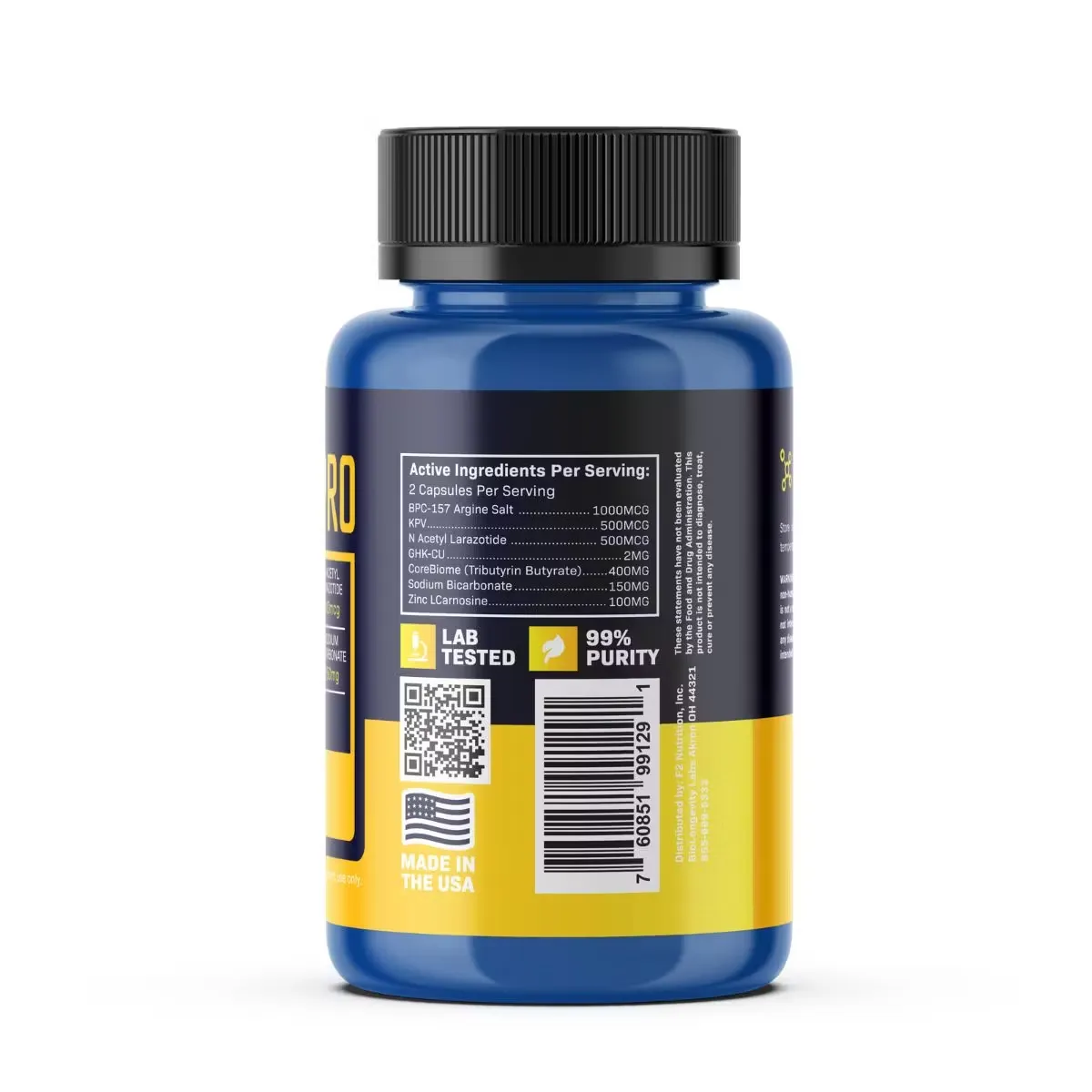
BPC-157 (1000 mcg per serving *) 

A synthetic peptide originally isolated from gastric juice, BPC-157 is currently being studied for its potential tissue-repair capabilities. Preclinical studies have shown it may:

  1. Accelerate intestinal and soft tissue healing by stimulating angiogenesis and fibroblast activity.
  2. Protect and repair the gut lining, possibly offering benefits for conditions associated with increased gut permeability.
  3. Reduce inflammation and oxidative stress, thereby supporting overall recovery and regeneration.

KPV (500 mcg per serving *) 

This tripeptide (Lys-Pro-Val) is noted for its anti-inflammatory properties in animal models, potentially making it a key component in reducing gut inflammation:

  1. KPV modulates inflammatory cytokine activity and may ease gastrointestinal distress.
  2. KPV supports immune balance within gut tissue, which could help mitigate excessive pro-inflammatory cascades.

N-Acetyl Larazotide (500 mcg per serving *)

Designed to enhance intestinal barrier integrity, N-Acetyl Larazotide may help to regulate tight junction function in the gut epithelium via two mechanisms:

  1. Strengthening the intestinal lining to reduce permeability (useful for studying “leaky gut”).
  2. Promoting tight junction stability between gut epithelial cells, therefore limiting translocation of harmful agents.

GHK-CU (2 mg per serving *) 

A well-researched copper-binding peptide that contributes to tissue regeneration and anti-inflammatory processes by:

  1. Stimulating collagen production and aiding in the repair of damaged tissues.
  2. Reducing local inflammation, possibly fostering a better biological healing environment.

CoreBiome® Tributyrin (400 mg per serving *)

A trademarked triglyceride form of butyric acid, CoreBiome® Tributyrin serves as a direct source of butyrate, an essential energy substrate for colonocytes:

  1. Provides nourishment to the gut lining, promoting mucosal integrity.
  2. Exerts anti-inflammatory effects to support a balanced gut microbiome.

Sodium Bicarbonate (150 mg per serving *)

A commonly used metabolic buffer that helps regulate gastrointestinal acidity in animal studies:

  1. Neutralizes excess stomach acid to create an optimal environment for gut function .
  2. Enhances nutrient absorption by maintaining a favorable pH balance within the gut.

Zinc L-Carnosine (100 mg per serving *)

This chelated compound pairs zinc with L-carnosine, a combination studied for its gut-supportive properties:

  1. Promotes the repair and maintenance of the stomach tissue and intestinal lining.
  2. Provides antioxidant and anti-inflammatory benefits to support mucosal defense.

* serving size = 2 capsules

Together, these components create a unique research model ideal for investigating gut healing, inflammation modulation, and mechanisms of tissue regeneration.

BioGutPro Research Compounds and Mechanisms

  1. BPC-157

Mechanisms:

  • Enhances angiogenesis and fibroblast activation.
  • Protects and repairs the gastrointestinal lining.
  • Mitigates inflammation and oxidative damage.
  1. KPV

Mechanisms:

  • Modulates cytokine responses to reduce inflammation.
  • Supports balanced immune signaling within the gut.
  1. N-Acetyl Larazotide

Mechanisms:

  • Enhances epithelial cell adhesion.
  • Limits intestinal permeability to protect against external irritants.
  1. GHK-Cu

Mechanisms:

  • Stimulates collagen synthesis and tissue remodeling.
  • Facilitates anti-inflammatory and antioxidant activities.
  1. CoreBiome® Tributyrin

Mechanisms:

  • Serves as an energy source for colonocytes.
  • Modulates the inflammatory milieu in the gastrointestinal tract.
  1. Sodium Bicarbonate

Mechanisms:

  • Buffers excess acidity to support mucosal health.
  • Enhances nutrient assimilation and enzyme function.
  1. Zinc L-Carnosine

Mechanisms:

  • Promotes mucosal repair and regeneration.
  • Offers antioxidant and anti-inflammatory support.
Delivery Details

2-3 days from the time of purchase to all locations

Order now and enjoy great discounts! We deliver top-quality peptide products straight to you. Fast, reliable, and discreet service. Delivery hours: 10 AM–8 PM daily. Don’t miss out

Research

BPC-157 and Gastrointestinal Healing

BPC-157 is a synthetic peptide investigated for its regenerative and anti-inflammatory properties. Research suggests that it supports gastrointestinal repair by promoting angiogenesis and stimulating fibroblast activity. In preclinical models, BPC-157 has shown promise in protecting the gastric mucosa, enhancing gut barrier integrity, and promoting collagen synthesis [1,2].

KPV (Lys-Pro-Val) and Inflammation Modulation

KPV is a tripeptide exhibiting notable anti-inflammatory effects. Studies indicate that KPV can reduce pro-inflammatory cytokines in gastrointestinal settings. Its capacity to modulate immune pathways and potentially mitigate inflammatory responses makes it an intriguing candidate for research on chronic gut inflammation [3].

N-Acetyl Larazotide and Tight Junction Regulation

N-Acetyl Larazotide (often referred to simply as larazotide) is a peptide that modulates tight junction protein assembly, thereby reducing intestinal permeability. Early-phase investigations (including clinical trials in celiac disease) have shown that by stabilizing the gut barrier, larazotide may lower the translocation of toxins and pathogens [4,5].

GHK-CU and Tissue Regeneration

GHK-CU, a copper-binding peptide, is extensively studied for its role in tissue repair and anti-inflammatory pathways. It can stimulate collagen synthesis, aid in wound healing, and lower oxidative stress. Laboratory models suggest that GHK-Cu supports mucosal recovery, making it a valuable tool in examining gut tissue regeneration [6].

CoreBiome® Tributyrin and Colonocyte Energy Supply

CoreBiome® Tributyrin is a specialized triglyceride form of butyric acid supplying a direct source of butyrate—an essential short-chain fatty acid for colonocyte health.

Sodium Bicarbonate and pH Optimization

Sodium bicarbonate serves as a metabolic buffer, critical for preserving optimal pH within the gastrointestinal tract. By countering excessive acidity, it supports mucosal integrity and potentially improves nutrient uptake. This buffering activity is essential for a favorable environment for tissue repair and enzymatic function [7].

Zinc L-Carnosine and Mucosal Protection

Zinc L-carnosine is a chelated compound shown to accelerate the repair of gastric and intestinal lining and to possess antioxidant attributes.

Synergistic Effects in BioGutPro

BioGutPro harnesses the complementary actions of its core components to create a broad-spectrum research model for gut healing:

  • BPC-157 drives rapid tissue repair.
  • KPV modulates inflammation.
  • N-Acetyl Larazotide fortifies tight junctions.
  • GHK-CU facilitates regeneration and reduces oxidative stress.
  • CoreBiome® Tributyrin supplies key nutrients for colonocyte energy.
  • Sodium Bicarbonate balances pH for optimal function.
  • Zinc L-Carnosine safeguards the gut lining and aids in repair.

Referenced Citations

  1. Sikiric P, Seiwerth S, Rucman R, et al. (2018). Stable gastric pentadecapeptide BPC 157: vascular recruitment and therapeutic potential in gastrointestinal tract injuries. Current Pharmaceutical Design, 24(18), 1990–2001.
  2. Seiwerth S, Brcic L, Klicek R, et al. (2014). Stable gastric pentadecapeptide BPC 157: an update on the development of a wound-healing agent. Expert Opinion on Biological Therapy, 14(10), 1371–1381.
  3. Catania A, Gatti S, Colombo G, Lipton JM. (2004). Targeting melanocortin receptors as a novel strategy to control inflammation. Pharmacological Reviews, 56(1), 1–29.
  4. Kelly CP, Green PH, Murray JA, et al. (2013). Safety, tolerability, and effects on markers of intestinal permeability of larazotide acetate in celiac disease: a phase I randomized trial. Alimentary Pharmacology & Therapeutics, 38(6), 659–670.
  5. Levy C, Zoratti EM, et al. (2021). Larazotide acetate for regulating tight junction integrity: a potential therapy for celiac disease. Gastroenterology & Hepatology, 17(3), 125–134.
  6. Pickart L. (2008). The human tripeptide GHK-Cu in prevention of oxidative stress and degenerative conditions of aging: a hypothesis. Clinical Interventions in Aging, 3(2), 329–336.
  7. McNaughton LR, Siegler J, Midgley A. (2008). Ergogenic effects of sodium bicarbonate. Current Sports Medicine Reports, 7(4), 230–236.
COAs

BioGutPro-BPC 157(10227)

BioGutPro-BPC 157(10227)

BioGutPro-GHK-Cu(10227)

BioGutPro-GHK-Cu(10227)

BioGutPro-KPV(10227)

BioGutPro-KPV(10227)

Customer Reviews

0 reviews
0
0
0
0
0

There are no reviews yet.

Be the first to review “BioGutPro”

Your email address will not be published. Required fields are marked *