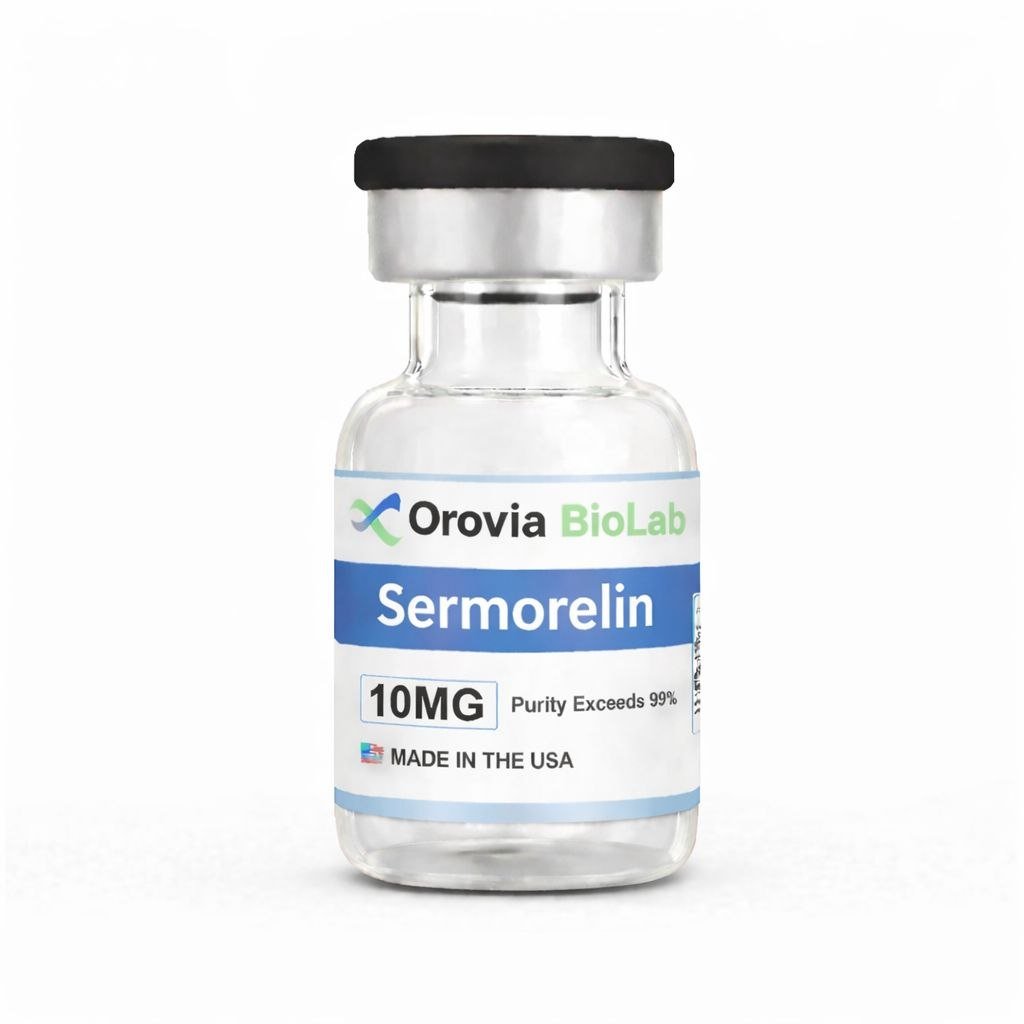
Sermorelin is a synthetic peptide analog of growth hormone-releasing hormone (GHRH), used to stimulate the pituitary gland to produce and release human growth hormone (hGH). It’s FDA-approved for diagnosing and treating growth hormone deficiency in children, but it’s also prescribed off-label for adults seeking anti-aging, muscle growth, or recovery benefits. Important: This is general information only. Sermorelin is a prescription medication. Always consult a licensed healthcare provider for personalized dosing, as improper use can lead to side effects like injection site reactions, headaches, or hormonal imbalances. Self-administration without medical supervision is not recommended.
Standard Dosage Guidelines
Dosing varies by age, weight, condition, medical history, and lab results (e.g., IGF-1 levels). It’s typically administered via subcutaneous injection (under the skin) once daily, often at bedtime to mimic natural hGH pulses.
| Patient Group |
Typical Dosage |
Frequency |
Duration |
Notes |
| Children (Growth Hormone Deficiency) |
0.2–0.3 mg (20–30 mcg/kg body weight) |
Once daily (bedtime) |
3–6 months or until growth goals met |
FDA-approved use; monitored via growth charts and IGF-1 levels. Max ~2 mg/day. |
| Adults (Off-Label: Anti-Aging/Performance) |
0.2–0.5 mg (200–500 mcg) |
Once daily (bedtime) |
3–6 months, with breaks |
Start low (e.g., 200 mcg) and titrate based on response. Often cycled (e.g., 5 days on/2 off). |
| Bodybuilders/Athletes (Common Off-Label) |
0.3–1 mg (300–1000 mcg) |
1–3 times daily (e.g., morning, post-workout, bedtime) |
8–12 weeks, then cycle off |
Higher doses increase side effect risk; combine with lifestyle factors for best results. Not FDA-approved for this. |
- Reconstitution: Sermorelin comes as a lyophilized powder (e.g., 3–9 mg vials). Mix with bacteriostatic water (typically 2–3 mL per vial) for a concentration of ~1 mg/mL. Use insulin syringes for precise dosing.
- Adjustments: Reduce dose if side effects occur (e.g., flushing, dizziness). Women may need lower doses due to estrogen effects on hGH. Obese patients often require higher mcg/kg.
Evidence and Sources
- FDA Labeling: For pediatric use, 30 mcg/kg nightly (e.g., EMD Serono’s Geref).
- Clinical Studies:
- A 1997 study in Journal of Clinical Endocrinology & Metabolism used 1 mg nightly in adults, showing 20–30% IGF-1 increase without major adverse events.
- Review in Clinical Interventions in Aging (2013) supports 200–500 mcg for age-related hGH decline.
- Guidelines: Endocrine Society recommends individualized dosing based on IGF-1 monitoring, not exceeding physiological hGH levels.
Administration Tips
- Injection Sites: Abdomen, thigh, or upper arm; rotate to avoid irritation.
- Timing: 30–60 minutes after last meal; avoid carbs/fats beforehand.
- Storage: Refrigerate reconstituted vials (stable 14–30 days); discard if cloudy.
- Monitoring: Baseline and follow-up bloodwork for IGF-1, glucose, thyroid.
Potential Side Effects and Warnings
- Common: Pain/redness at site, headache, nausea.
- Rare: Hyperactivity, allergic reactions, or pituitary overstimulation.
- Contraindications: Active cancer, pregnancy, uncontrolled diabetes.
- Legality: Prescription-only in the US; compounding pharmacies common for off-label use.
 Express & Discreet Shippin
 Express & Discreet Shippin




Reviews
Clear filtersThere are no reviews yet.