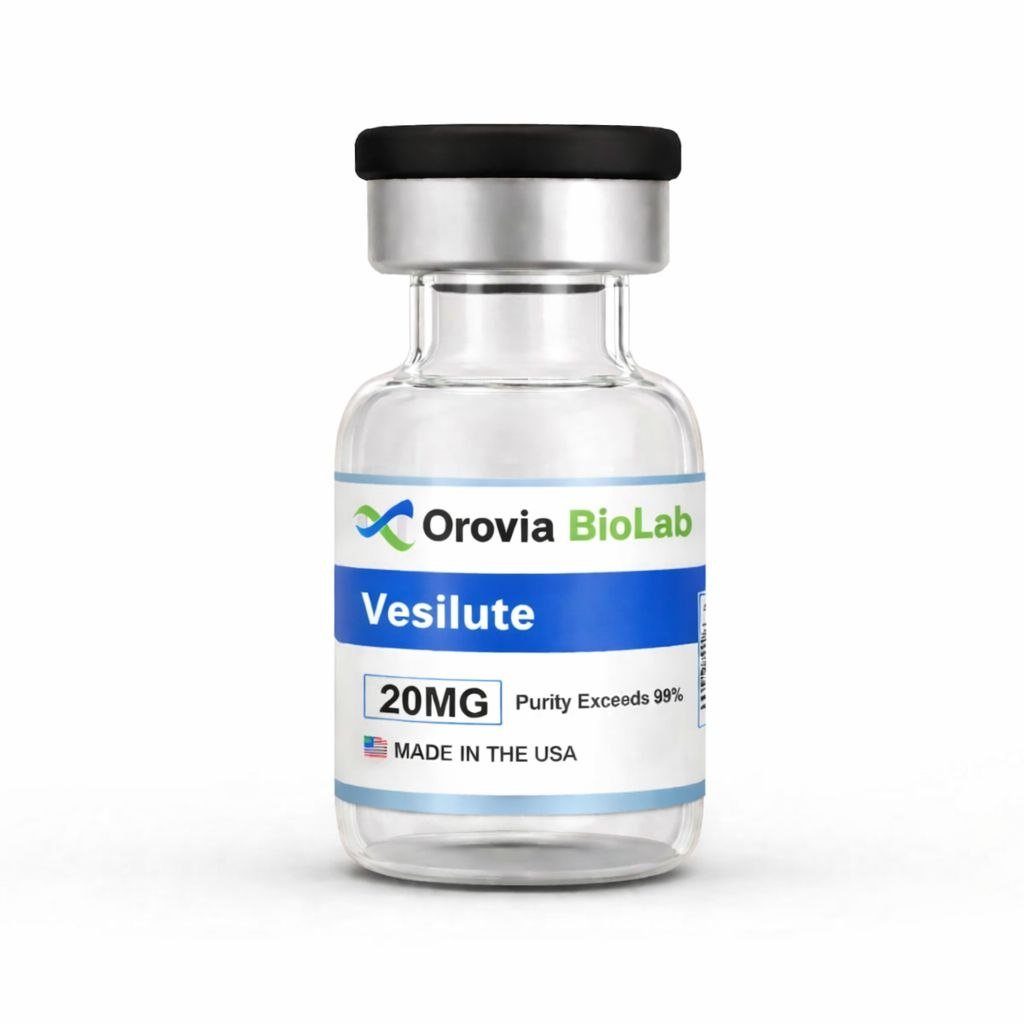
Vesilute (also known as GP-157 or KEDG peptide) is a synthetic tetrapeptide with the sequence Lys-Glu-Asp-Gly (KEDG). It’s a bioregulator peptide developed in Russia, primarily researched for its potential cytoprotective and regenerative effects on tissues, especially in the urinary and cardiovascular systems. It’s not FDA-approved for human use and is typically sold as a research chemical.
Key Properties and Mechanism
- Molecular Formula: C₁₇H₂₉N₅O₉
- Molecular Weight: ~463.44 g/mol
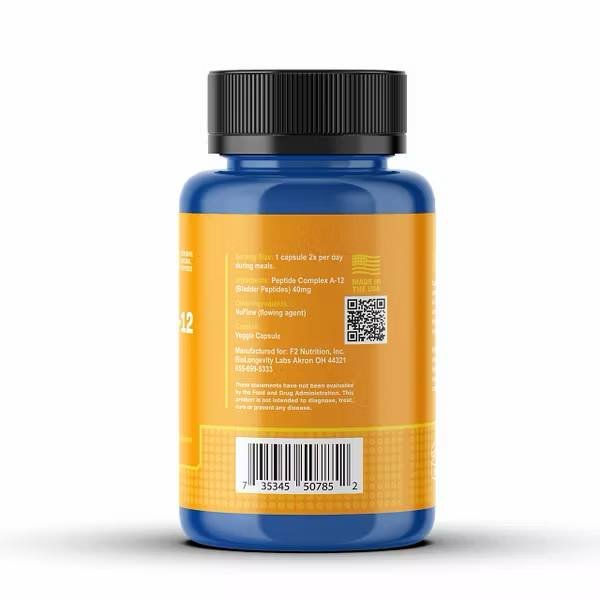
- Origin: Derived from research on natural peptides extracted from animal bladder tissues (hence the name, related to “vesicle” or bladder). It’s part of the Khavinson peptide family, pioneered by Vladimir Khavinson.
- Mechanism: Acts as a tissue-specific bioregulator. It reportedly:
- Normalizes protein synthesis in bladder epithelial cells.
- Reduces inflammation and oxidative stress.
- Promotes DNA repair and cell proliferation in damaged tissues.
- Modulates immune responses and apoptosis (programmed cell death).
Evidence comes from Russian studies (e.g., Khavinson et al., 2000s publications in Bulletin of Experimental Biology and Medicine). Animal models show it protects against bladder damage from ischemia, radiation, or chemicals.
Potential Uses (Research-Based)
Vesilute is studied for:
| Condition/Application |
Reported Effects (Preclinical/Human Studies) |
| Chronic Cystitis/Bladder Disorders |
Improves urothelial regeneration; reduces symptoms in 70-80% of cases (small Russian trials). |
| Prostatitis/BPH |
Anti-inflammatory; enhances prostate tissue repair. |
| Cardiovascular Protection |
Prevents endothelial damage; potential in ischemia-reperfusion injury. |
| Anti-Aging/Wound Healing |
General cytoprotection; shortens recovery time in animal models. |
| Radiation/Chemotherapy Protection |
Shields bladder mucosa from damage. |
Human Data: Limited to anecdotal reports and small-scale Russian clinical trials (e.g., 100-200 patients). No large RCTs or Western approvals. Doses in studies: 0.01-0.1 mg/kg subcutaneously or intramuscularly, often in 10-20 day cycles.
Dosage and Administration (Research Context Only)
- Typical Research Dose: 100-200 mcg/day (subcutaneous injection) for 10-20 days, 1-2 cycles/year.
- Form: Lyophilized powder reconstituted with bacteriostatic water.
- Half-Life: Short (~30-60 minutes), requiring daily dosing.
- Stacking: Often combined with other bioregulators like Epitalon or Prostamax.
Safety Notes:
- Side Effects: Rare; mild injection site reactions or transient fatigue reported. No major toxicity in studies up to 1 mg/kg.
- Contraindications: Pregnancy, hypersensitivity. Monitor in renal impairment.
- Legality: Research chemical in most countries; not for human consumption. Banned in some sports (WADA).
Sourcing and Purity
Available from peptide vendors (e.g., 2-10 mg vials, $30-80). Test for >98% purity via HPLC/MS (reputable labs like Janoshik provide COAs).
Evidence Summary
| Study/Source |
Key Finding |
Strength of Evidence |
| Khavinson (2002) |
Restored bladder function in cystitis models (rats). |
Animal (strong preclinical). |
| Russian RCT (2010s) |
78% symptom improvement in chronic cystitis (n=120). |
Small human trial (moderate). |
| PubMed/Scopus |
~20 papers, mostly Russian; limited Western replication. |
Emerging/low (needs RCTs). |
Caveats: Claims are promising but unverified by rigorous Western standards. Consult a physician before any use—peptides carry risks like immunogenicity or contamination. For latest research, search PubMed for “Vesilute” or “KEDG peptide.”
 Express & Discreet Shippin
 Express & Discreet Shippin




Reviews
Clear filtersThere are no reviews yet.