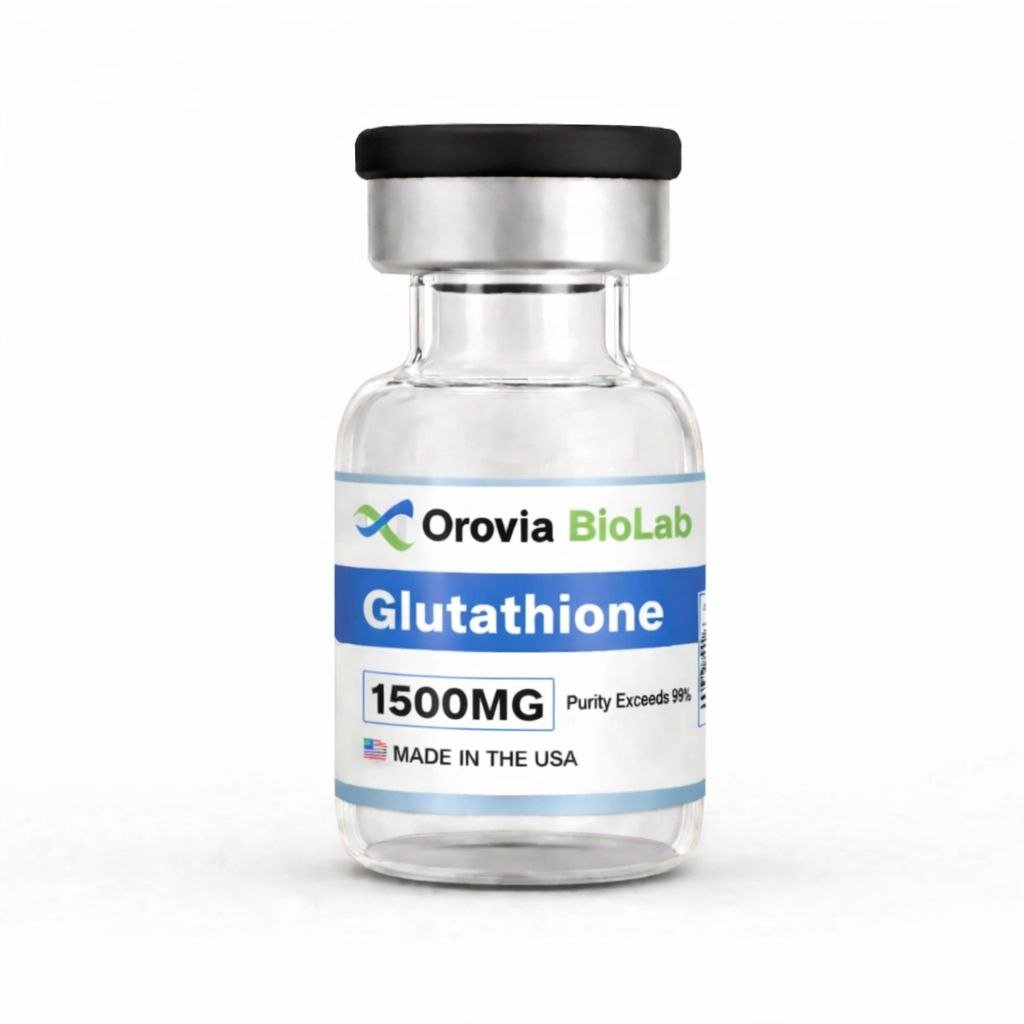
Glutathione Injections (GSH) is a powerful antioxidant naturally produced in the body from three amino acids: cysteine, glycine, and glutamic acid. It plays key roles in detoxification, neutralizing free radicals, supporting immune function, and regenerating other antioxidants like vitamins C and E. Levels decline with age, stress, poor diet, or conditions like liver disease.
Glutathione Injections: Overview
Injections deliver glutathione directly into the bloodstream (intravenous/IV) or muscles (intramuscular/IM), bypassing digestion for higher bioavailability compared to oral supplements (which have poor absorption, ~10-20%). Typical doses range from 600-1,200 mg per session, often 1-3 times weekly, administered by healthcare professionals.
Common Uses:
- Skin Lightening: Popular in Asia and among celebrities for reducing melanin production, leading to lighter, more even skin tone. Evidence is mostly anecdotal; small studies (e.g., a 2017 Indian trial in Clinical, Cosmetic and Investigational Dermatology) showed modest lightening after 4-6 weeks of IV use.
- Detoxification: Used for liver support in cases like acetaminophen overdose or chronic toxin exposure. FDA-approved for this in some contexts.
- Anti-Aging and Wellness: Claimed to boost energy, improve immunity, reduce oxidative stress. Limited high-quality RCTs; a 2019 review in Antioxidants noted potential benefits for Parkinson’s but called for more research.
- Other: Adjunct for chronic fatigue, autoimmune issues, or post-chemotherapy recovery.
Evidence and Effectiveness
| Claim |
Supporting Evidence |
Limitations |
| Skin Whitening |
Small trials (e.g., 2016 Thai study: 1,200 mg IV twice weekly for 6 weeks reduced melanin index by 15-20%). Inhibits tyrosinase enzyme. |
Not FDA-approved for cosmetics; effects temporary (fade in months); no large-scale RCTs. |
| Antioxidant Boost |
Raises blood GSH levels rapidly (peaks in 30-60 min post-IV). Animal/human studies show reduced oxidative markers. |
Oral forms less effective; long-term benefits unclear. |
| Detox/Liver Health |
Proven in acute poisoning (e.g., WHO guidelines for paracetamol overdose). |
Overhyped for general detox. |
| General Health |
Meta-analysis (Nutrients, 2021) suggests benefits for insulin resistance/cognition, but mixed results. |
Placebo-controlled trials sparse; industry-funded studies biased. |
Not a Miracle Cure: While safe short-term, hype (e.g., celebrity endorsements) outpaces science. No strong evidence for weight loss, hangover cures, or athletic performance.
Benefits
- Rapid absorption (bioavailability ~100% vs. <20% oral).
- Potential for visible skin glow/evenness in 4-12 weeks.
- May improve symptoms in oxidative stress-related conditions (e.g., fibromyalgia per small 2013 study).
Risks and Side Effects
Generally well-tolerated, but risks include:
- Common: Injection site pain, nausea, bloating, diarrhea, allergic reactions (rash, anaphylaxis rare).
- Serious: Kidney strain (high doses), thyroid disruption (autoimmune thyroiditis reported in case studies), zinc deficiency.
- Skin Lightening Specific: Risk of hyperpigmentation rebound, Stevens-Johnson syndrome (very rare, per 2019 Philippine reports).
- Contaminated Products: Black-market injections linked to infections/sepsis (e.g., 2019 US outbreaks).
- Interactions: May interfere with chemotherapy or acetaminophen.
Contraindications: Pregnancy, breastfeeding, asthma, G6PD deficiency. Not recommended for children.
Regulatory Note: FDA warns against IV glutathione for skin lightening (unapproved, potential harm). Legal in clinics under medical supervision in many places, but unregulated spas pose risks.
Dosage and Administration
- Standard Protocol: 600-1,200 mg IV/IM, 1-3x/week for 1-3 months, then maintenance.
- Duration: Skin effects peak at 10-20 sessions; detox shorter.
- Cost: 1,000+.
DIY Warning: Never self-administer—requires sterile technique to avoid infections/abscesses.
Alternatives
| Method |
Pros |
Cons |
Absorption |
| IV/IM Injections |
Fastest, highest dose |
Invasive, costly, clinic-only |
100% |
| Oral Supplements** (500-1,000 mg liposomal/NAC precursors) |
Convenient, cheap |
Low absorption (use sublingual/liposomal) |
10-30% |
| Topical Creams |
Non-invasive for skin |
Minimal systemic effect |
Skin-only |
| Foods** (avocado, spinach, whey) + precursors (NAC 600 mg/day) |
Natural, safe |
Slow buildup |
Variable |
| IV NAD+ or Vitamin C |
Synergistic antioxidants |
Similar risks |
High |
Precursors like NAC (N-acetylcysteine) are cheaper OTC options (e.g., 600 mg daily boosts GSH effectively per European Journal of Clinical Pharmacology, 2015).
Recommendations
- Consult a Doctor: Get bloodwork (liver/kidney function, GSH levels) first. Ideal for confirmed deficiencies.
- Reputable Sources: Medical spas/clinics with pharmacists; avoid unregulated providers.
- Holistic Approach: Pair with diet (sulfur-rich foods), exercise, sleep for best results.
- Monitor: Track progress; discontinue if side effects occur.
 Express & Discreet Shippin




Reviews
Clear filtersThere are no reviews yet.