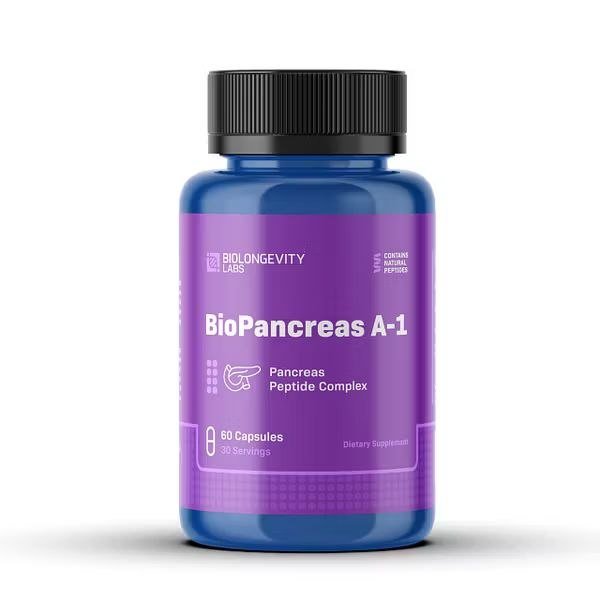
Suprefort Peptide Bioregulator Pancreas (also known as BioPancreas or peptide complex A-1) is a natural peptide bioregulator derived from pancreatic tissue. It is designed to support and normalize pancreatic function as part of the Russian cytamin/bioregulator peptide framework pioneered by researchers including Professor Vladimir Khavinson.
This SEO-optimized guide covers what Suprefort is, how it works, potential benefits, typical usage, and key considerations based on available product information and clinical reports.
What Is Suprefort Peptide Bioregulator?
Suprefort is a complex of low-molecular-weight peptides (generally under 10,000 Da) extracted from the pancreas of young animals (calves typically aged up to 12 months). These tissue-specific peptides are intended to replenish regulatory peptide pools in pancreatic cells.
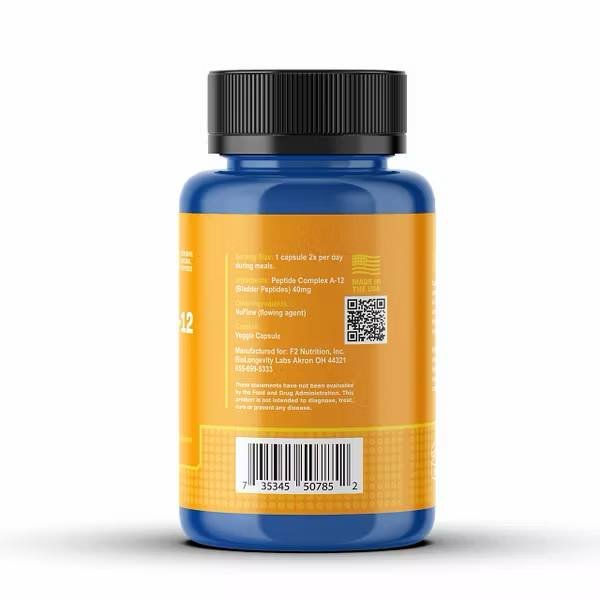
It is commonly available in oral capsule form (often 10 mg of active peptide complex A-1 per capsule) and is marketed as a dietary supplement rather than a pharmaceutical drug. Related forms, such as sublingual (lingual) versions, also exist. Suprefort belongs to the cytamin class of peptide bioregulators and is not a single defined synthetic peptide sequence.
Key product characteristics often listed:
- Active ingredient: Peptide complex A-1 (pancreas peptides)
- Typical capsule content: ~10 mg peptides
- Other ingredients: Microcrystalline cellulose, calcium stearate, vegetable capsule shell (formulations vary by manufacturer)
- Free from many common allergens in some versions (check specific product labels)
How Does Suprefort Work? Proposed Mechanism of Action
Peptide bioregulators like Suprefort are theorized to work through tissue-specific bioregulation rather than forcing hormonal or pharmacological overrides. Proposed steps include:
- Receptor interaction — Targeting pancreatic cell receptors.
- Signal transduction — Influencing pathways such as cAMP and calcium signaling.
- Gene expression modulation — Supporting transcription of factors involved in differentiation and function (research mentions factors such as Ptf1a, Pdx1, Pax6, and others in related contexts).
- Physiological normalization — Helping restore protein synthesis, enzyme production, and metabolic balance within pancreatic tissue.
Potential Benefits of Suprefort Pancreas Bioregulator
Available clinical reports and product literature associate Suprefort with support in the following areas (results can vary; these are not guaranteed outcomes):
- Pancreatic enzyme regulation and digestive support — May help normalize production of digestive enzymes, potentially improving protein, fat, and carbohydrate processing and reducing dyspepsia symptoms in some users with chronic pancreatitis.
- Blood sugar and carbohydrate metabolism — Reported to assist in normalizing glucose levels in models and limited clinical observations of type 2 diabetes (as an adjunct), by supporting natural insulin and glucagon responses rather than introducing external hormones.
- Chronic pancreatitis support — Some studies noted improved appetite, reduced digestive discomfort, and better enzyme activity markers.
- Metabolic and preventive support — Suggested for individuals over 50 or those with lifestyle factors affecting pancreatic health; may help with lipid/carbohydrate metabolism balance and overall pancreatic tissue maintenance.
- General recovery and anti-aging context — Used in complex protocols after pancreatic stress, malnutrition, or age-related decline.
Recommended Dosage and How to Use Suprefort
Dosage varies by product and individual needs. Common protocols drawn from product guidelines and clinical reports include:
Typical adult dosing (capsules):
- 1–2 capsules (10 mg peptides each), 1–2 times daily
- Taken 10–15 minutes before meals with water
- Course length: 10–30 days (often 15 days in reported studies)
- Intensive start: Sometimes 2 capsules daily for 20–30 days
- Maintenance: Repeat courses every 3–6 months (e.g., 10 days every 1–3 months)
Examples from sources:
- Chronic pancreatitis support: 1–2 capsules twice daily for 15 days
- Diabetes-related monitoring context: 1 capsule twice daily for 15 days (with blood glucose tracking)
- Preventive/wellness: 1–2 capsules daily for shorter cycles, repeated periodically
Sublingual versions may use drops under the tongue (e.g., several drops 3–4 times daily). Follow the specific product label and manufacturer recommendations. Combine only under professional guidance (sometimes paired with other bioregulators such as pineal peptides in diabetes-related discussions).
Contraindications commonly listed: Individual intolerance, pregnancy, lactation, and use in children (age limits vary; often not recommended under 12–14).
Safety, Side Effects, and Precautions
Reported clinical observations indicate Suprefort is generally well tolerated when used as directed, with no significant side effects noted in the available study summaries. It does not appear to cause dependence.
However:
- Evidence quality is limited (low number of human studies, limited independent Western validation).
- Not a substitute for insulin, enzyme replacement therapy, or other prescribed treatments.
- Monitor blood glucose if using in a diabetes context.
- Source quality matters—peptides are derived from animal tissue; reputable suppliers emphasize young, healthy animals from controlled farms.
- Consult a doctor before use, especially if you have existing pancreatic conditions, diabetes, or take other medications.
Frequently Asked Questions (FAQ)
Is Suprefort the same as digestive enzyme supplements? No. It aims to support the body’s own enzyme production via peptide bioregulation rather than supplying exogenous enzymes.
How long until effects may appear? Some users and reports note digestive comfort changes within weeks; metabolic markers may take a full course or repeated cycles. Individual results vary.
Can it be stacked with other bioregulators? Yes, in some protocols (e.g., with pineal or other organ-specific peptides), but only with professional advice.
Is there strong scientific evidence? Research exists mainly within the Russian bioregulator tradition. Independent large-scale RCTs and Western regulatory approvals are lacking. Approach with appropriate caution.
 Express & Discreet Shippin




Reviews
Clear filtersThere are no reviews yet.