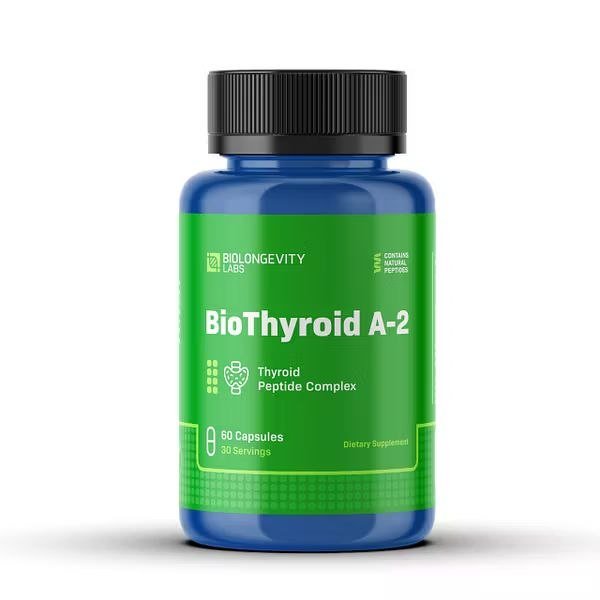
Thyroid Bioregulator (also called Thyreogen or A-2 complex) belongs to the class of peptide bioregulators developed through research associated with Professor Vladimir Khavinson and the St. Petersburg Institute of Bioregulation and Gerontology. These are short peptides (typically 2–4 amino acids) extracted from specific organ tissues of young animals.
Unlike conventional thyroid supplements (iodine, selenium, or desiccated thyroid) or hormone replacement (levothyroxine/T4 or liothyronine/T3), bioregulators are intended to act as tissue-specific signaling molecules. They are claimed to interact with chromatin and influence gene expression in thyroid cells, helping restore protein synthesis and the gland’s regulatory capacity.
The thyroid is a butterfly-shaped endocrine gland in the neck that produces T4 (thyroxine), T3 (triiodothyronine), and calcitonin. These hormones regulate metabolism, energy production, temperature control, heart rate, and many other processes. Age, stress, environmental factors, and autoimmune conditions can reduce the gland’s functional reserve.
Potential Benefits of Thyroid Bioregulator
Proponents and product literature report that Thyroid Bioregulator may:
- Support normalization of thyroid hormone production and metabolic balance in both underactive (hypothyroid) and overactive (hyperthyroid) states by modulating rather than forcing output.
- Help maintain healthy energy levels, stamina, focus, mood, and overall vitality linked to thyroid function.
- Aid cellular repair and protein synthesis within thyroid tissue.
- Contribute to endocrine balance as part of broader wellness or longevity approaches.
- Be used in protocols addressing age-related decline in thyroid activity or recovery after stressors.
Some clinical observations from Russian research (including work on residents of regions with environmental challenges) have explored its use for reduced thyroid function. Effects on autoantibodies in autoimmune conditions such as Hashimoto’s thyroiditis appear limited or inconsistent in available reports—hormone levels may normalize in some cases while antibody titers may not change substantially.
Important: These claims are based primarily on research from the Khavinson group and related sources. Independent, large-scale, high-quality Western clinical trials specifically evaluating Thyroid Bioregulator for thyroid disease are limited. Results can vary, and it is not a substitute for standard medical evaluation or treatment of diagnosed thyroid disorders.
How Does It Work?
Peptide bioregulators are thought to work epigenetically. Short peptides can enter cells, interact with DNA-associated proteins, and influence the expression of genes involved in tissue-specific protein synthesis and repair. For the thyroid, this is proposed to help restore the gland’s biological reserve (often discussed in the literature as a residual capacity that declines with age or stress) without introducing exogenous hormones.
This tissue-specific action is a key distinction from longer signaling peptides or hormone therapies. The effect is described as regulatory: it may encourage activity when function is low and help moderate it when excessive, rather than overriding the body’s feedback systems.
Typical Usage and Dosage Guidance
Protocols vary by brand and intended use (general wellness vs. more intensive support). Common approaches described by suppliers include:
- Intensive or targeted courses: 1–2 capsules daily (often with meals) for 10–30 days.
- Maintenance or general wellness: lower frequency or shorter courses repeated every 1–6 months depending on individual needs and professional guidance.
- Cycling with breaks is typical rather than continuous daily use.
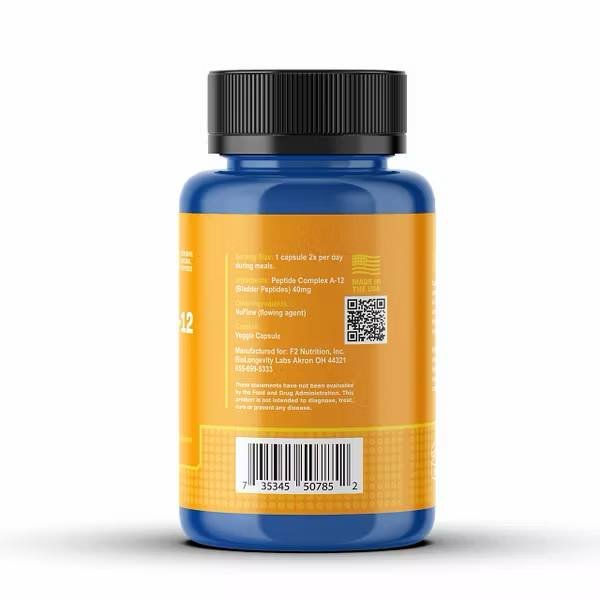
Products are usually supplied as oral capsules containing a proprietary thyroid peptide complex (often listed around 10–40 mg of the complex per capsule, with total capsule weight near 0.2 g). Always follow the specific product label and consult a qualified healthcare professional, especially if you have a diagnosed thyroid condition, take thyroid medication, or have had thyroid surgery/removal (bioregulators require residual glandular tissue to act upon).
Safety, Precautions, and Considerations
Thyroid Bioregulator is generally presented as having a favorable safety profile in the available literature on this class of compounds, with contraindications mainly related to individual sensitivity to components.
- It is not hormone replacement and should not replace prescribed thyroid medication without medical supervision.
- People with complete thyroidectomy or no residual functional tissue are unlikely to benefit in the same way.
- Pregnant or breastfeeding individuals, those with serious medical conditions, or anyone on prescription drugs should seek professional advice before use.
- Quality and sourcing matter; look for products with transparency on origin and testing where available.
Who Might Consider Thyroid Bioregulator Support?
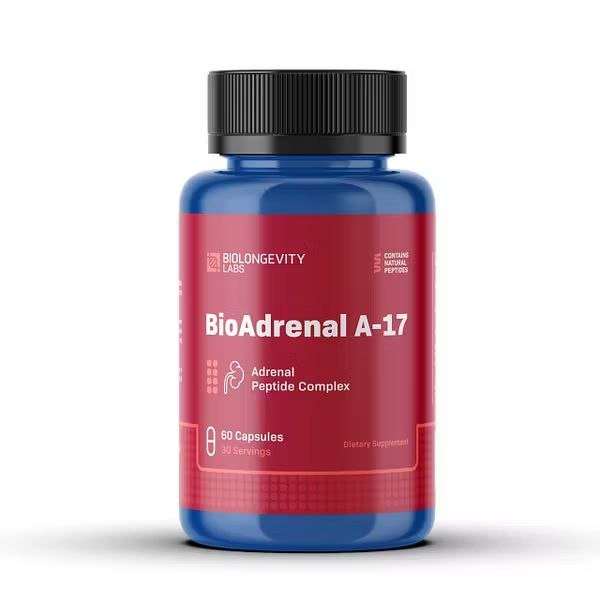
Individuals interested in complementary approaches to thyroid wellness, metabolic support, or age-related endocrine resilience sometimes explore bioregulators as part of a broader lifestyle strategy that includes adequate iodine and selenium intake, stress management, sleep, and nutrient-dense nutrition. It is sometimes stacked with other organ-specific bioregulators (e.g., adrenal or vascular) under professional guidance, reflecting the interconnected nature of the endocrine system.
Frequently Asked Questions
Is Thyroid Bioregulator the same as natural desiccated thyroid or thyroid hormones? No. It contains short regulatory peptides rather than T4/T3 hormones.
Can it help both hypo- and hyperthyroidism? It is marketed for its balancing/regulatory potential rather than unidirectional stimulation or suppression.
How long until effects may be noticed? Individual responses vary; some product guidance suggests assessing after a course of several weeks. Persistent or significant symptoms require medical evaluation.
Is the research strong? Much of the foundational work comes from Russian gerontology research. Broader independent replication and modern randomized controlled trials remain limited.
 Express & Discreet Shippin





Reviews
Clear filtersThere are no reviews yet.