Pineal Bioregulator
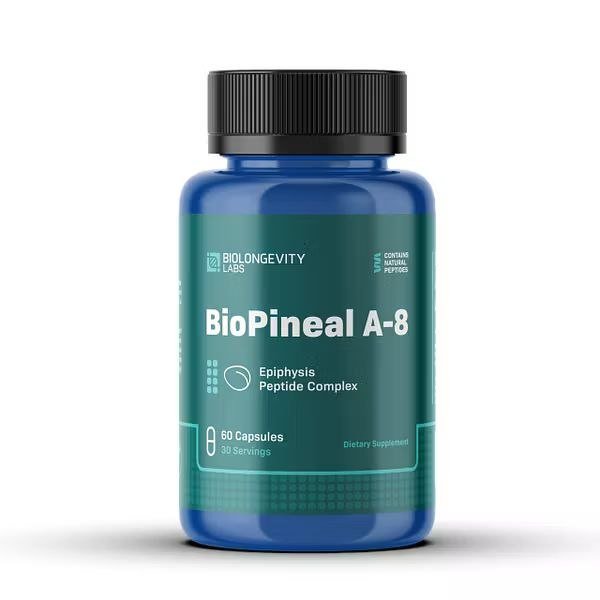
Pineal Bioregulator is a natural short-chain peptide complex (often labeled as Amino Acid Complex A-8 or Endoluten) derived from young bovine pineal gland tissue. It belongs to the class of peptide bioregulators pioneered by Professor Vladimir Khavinson’s research at the St. Petersburg Institute of Bioregulation and Gerontology.
Unlike synthetic melatonin supplements that supply the hormone directly, Pineal Bioregulator is designed to support the pineal gland’s own regulatory function. The pineal gland produces melatonin—the key hormone that governs sleep-wake cycles, circadian rhythms, and aspects of neuroendocrine, immune, and antioxidant balance. With age, pineal function and melatonin output often decline, which is linked to poorer sleep, disrupted rhythms, and accelerated biological aging.
How Does Pineal Bioregulator Work?
Peptide bioregulators are short amino-acid sequences believed to interact with cellular regulatory systems, including potential modulation of gene expression in target tissues. For the pineal gland, the proposed actions include:
- Supporting natural melatonin synthesis and secretion patterns.
- Helping restore more youthful circadian signaling.
- Influencing neuroendocrine communication that affects sleep, mood, and systemic balance.
- Contributing to antioxidant and cellular-protective effects linked to healthy pineal function.
Related research on pineal peptides (Epithalamin and its synthetic analog Epitalon) has examined effects on melatonin rhythms, lifespan markers in animal models, and clinical outcomes in older adults. Pinealon (Glu-Asp-Arg), a related synthetic tripeptide, is more specifically studied for neuronal/cortical effects but is sometimes discussed alongside pineal support.
The natural Pineal Bioregulator is positioned as an oral food-supplement form of these tissue-specific peptides.
Key Benefits of Pineal Bioregulator
1. Supports Healthy Sleep & Circadian Rhythm By helping normalize pineal function, it may improve sleep quality, reduce jet-lag disruption, and assist those with shift-work or age-related sleep changes. Users and product literature frequently highlight better rest and more consistent sleep-wake cycles.
2. Melatonin Production Support Rather than providing exogenous melatonin, it aims to encourage the body’s own production, which declines with age and can be affected by light exposure, stress, and calcification of the pineal gland.
3. Cognitive Clarity & Mood Balance Improved sleep architecture and melatonin signaling are linked to better mental clarity, emotional stability, and daytime energy. Related peptide research has explored neuroprotective and cognitive support effects.
4. Anti-Aging & Longevity Support Pineal peptides have been studied for geroprotective properties, including influences on telomere-related processes (more strongly associated with Epitalon), immune modulation, and reduced markers of age-related decline in cardiovascular, endocrine, and metabolic parameters in longer-term observations.
5. Broader Neuroendocrine & Systemic Effects The pineal gland interacts with immune, cardiovascular, and reproductive systems. Supporting its function may contribute to overall hormonal and adaptive balance.
Important note: Benefits are based on research into pineal peptide complexes and related bioregulators, primarily from Russian gerontology studies. Large-scale independent Western randomized controlled trials remain limited. Individual results vary.
Who May Benefit from Pineal Bioregulator?
- Adults experiencing age-related declines in sleep quality or melatonin production.
- People with disrupted circadian rhythms (jet lag, shift work, irregular schedules).
- Those interested in comprehensive anti-aging or longevity protocols alongside thymus, adrenal, or other tissue-specific bioregulators.
- Individuals seeking natural support for mood, mental clarity, and recovery.
It is not intended for children, pregnant or breastfeeding women, or as a substitute for medical treatment of diagnosed sleep or endocrine disorders.
How to Use Pineal Bioregulator
Typical recommended protocols for Nature’s Marvels-style Pineal Bioregulator (check your product label):
- General support / healthy individuals: 2 capsules once daily for 10 days; repeat every 3–6 months.
- More intensive or symptomatic support: 2 capsules daily for 20–30 days initially, then 10-day courses monthly or as needed.
- Take with food or as directed. Courses are intermittent rather than continuous daily use because bioregulators are thought to exert lasting regulatory effects.
Always follow the specific product instructions and consult a qualified healthcare professional, especially if you have existing medical conditions or take medications.
Scientific Background & Research Context
Khavinson’s group isolated low-molecular-weight peptides from organ tissues and developed both natural extracts (Epithalamin/Endoluten for pineal) and synthetic analogs (Epitalon). Studies have reported:
- Restoration of melatonin secretion patterns in aging models.
- Improvements in physical capacity, lipid/glucose markers, and reduced mortality risk in long-term elderly cardiovascular cohorts using pineal peptides.
- Geroprotective effects in animal models (lifespan extension, antioxidant activity).
Pinealon research focuses more on neuroprotection, oxidative stress reduction, and cognitive parameters in preclinical and small clinical observations.
These findings come largely from one research tradition; independent replication and larger modern trials would strengthen the evidence base.
 Express & Discreet Shippin







Reviews
Clear filtersThere are no reviews yet.