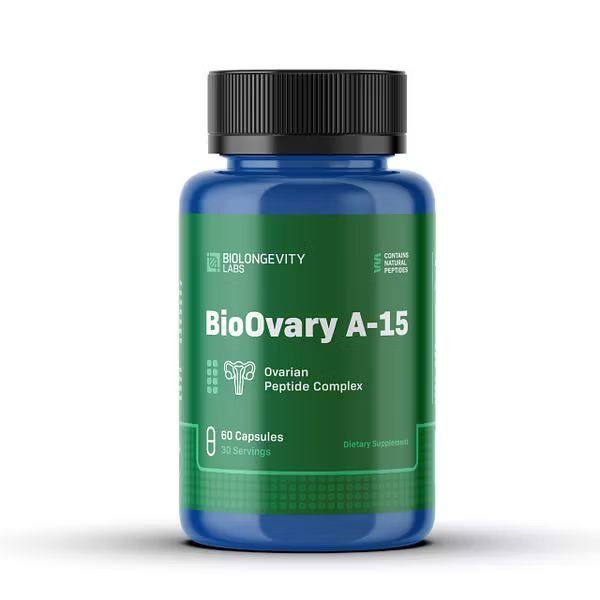
Zhenoluten (Peptide Complex A-15) is a natural peptide bioregulator derived from ovarian tissue of young animals. It is marketed as a dietary supplement to support female reproductive health, ovarian function, hormonal balance, and age-related changes in the reproductive system.
It belongs to the Cytomax / Khavinson peptide range developed through research associated with the St. Petersburg Institute of Bioregulation and Gerontology. The active component is a complex of low-molecular-weight peptides (generally under 5 kDa) obtained from ovarian tissue.
Note: Zhenoluten is sold as a food supplement / parapharmaceutical, not an approved medicine by major regulators such as the FDA, EMA, or MHRA. Human clinical evidence is limited primarily to manufacturer reports rather than large-scale, peer-reviewed, indexed trials. Always consult a qualified healthcare professional before use, especially if you have medical conditions, are pregnant, breastfeeding, or taking medications.
What Is Zhenoluten and How Does It Work?
Zhenoluten contains Peptide Complex A-15, a tissue-specific peptide fraction isolated from the ovaries of young calves or pigs (typically under 12 months of age) sourced from controlled farms. These short peptides are claimed to act selectively on ovarian cells.
According to product literature and manufacturer-associated descriptions:
- They help normalize metabolic processes in ovarian tissue.
- They support protein synthesis within ovarian cells.
- They may assist in restoring cyclic ovarian activity and oocyte maturation.
- They are positioned as non-hormonal bioregulators that address peptide deficiency rather than supplying hormones directly.
The product is typically supplied in capsules (commonly 10 mg of peptide complex per capsule), with courses lasting about one month and optional repeats every 3–6 months.
Key Potential Benefits of Zhenoluten
Product descriptions and associated clinical reports commonly highlight support in the following areas:
- Ovarian function and reproductive health — Aimed at helping regulate ovarian cell activity and supporting overall reproductive system balance.
- Menstrual cycle regulation — Frequently mentioned for irregularities and related discomfort.
- Menopause and perimenopause support — Positioned to help ease common transitional symptoms (e.g., hot flashes, sleep disturbances, reduced vitality) by supporting residual ovarian activity and hormonal balance.
- Hormonal balance — Claims of normalizing estrogen and progesterone production patterns without being a hormone replacement.
- Fertility support — Suggested in contexts of hormone-related infertility or reduced ovarian reserve (as an adjunct, not a primary treatment).
- Libido and vitality — Listed among potential benefits for decreased sexual desire and overall feminine vitality.
- Other listed uses — Endometriosis support, polycystic ovary considerations, prevention of age-related reproductive decline, and general maintenance for women over 40.
These are based on product claims and limited clinical observations (including reports on climacteric syndrome and ovarian hypofunction). Results vary by individual, and robust independent evidence is sparse.
Ingredients and Composition
Typical formulation (may vary slightly by manufacturer/brand):
- Active: Peptide complex A-15 (ovarian peptides / bovine or porcine ovary amino-acid complex) — usually 10 mg per capsule.
- Inactive/excipients: Microcrystalline cellulose, capsule shell (often hydroxypropyl methylcellulose or gelatin), calcium stearate or similar anti-caking agents, and sometimes lactose, starch, or other fillers. Some versions are vegetarian-capsule based.
Recommended Dosage and Usage
Common guidelines from product labels and sellers (always follow the specific product instructions or professional advice):
- Adults: 1–2 capsules, 1–2 times daily (often before or with meals).
- Typical course: 20–30 days (or up to 1–3 months in some protocols).
- Maintenance: Repeat every 3–6 months as needed.
- Daily peptide intake in standard use is often around 20 mg.
Take consistently. It is frequently combined with other bioregulators (e.g., for vascular, pineal, or thyroid support) in broader protocols, but this should be guided by a knowledgeable practitioner.
Who Might Consider Zhenoluten?
It is primarily marketed toward women seeking natural support for:
- Menstrual irregularities or ovarian dysfunction
- Perimenopause / menopause symptoms
- Maintaining reproductive system function with age
- Hormonal balance concerns
- Low libido or general vitality related to reproductive health
It is not intended as a substitute for conventional medical diagnosis or treatment of infertility, PCOS, endometriosis, or menopausal hormone therapy when those are clinically indicated.
Safety, Side Effects, and Precautions
Manufacturer reports generally describe good tolerability with few side effects. Contraindications commonly listed include individual hypersensitivity to components, pregnancy, and breastfeeding. As with any supplement derived from animal tissue, discuss use with a doctor if you have allergies, autoimmune conditions, or are immunocompromised.
Frequently Asked Questions (FAQ)
Is Zhenoluten a hormone? No. It is a peptide bioregulator claimed to support the body’s own regulatory processes in ovarian tissue rather than supplying exogenous hormones.
How long until results appear? Anecdotal and product reports vary; some note changes within a course of 3–4 weeks, while others emphasize longer or repeated use. Individual response depends on age, baseline health, and lifestyle factors.
Can it be taken with other supplements or medications? Often described as combinable, but professional medical advice is essential to avoid interactions.
Is there strong scientific evidence? Evidence is limited. There is a manufacturer clinical study report (circa 2011) on climacteric and ovarian conditions, but no substantial body of independent, peer-reviewed, PubMed-indexed randomized controlled trials specifically on Zhenoluten as of available data.
Where does it come from? It originates from the Russian/Khavinson peptide bioregulator research tradition focused on tissue-specific short peptides for organ support and healthy aging.
 Express & Discreet Shippin




Reviews
Clear filtersThere are no reviews yet.